| |
| Wednesday, 11 November 2026 |
| Christmas in Bach’s Leipzig: the Christmas Oratorio of 1734/5 |
| Sandy Burnett |
 |
Sandy Burnett’s close relationship with Bach’s music stretches back for decades. Between 1997 and 2010 he directed a complete cycle of Bach’s sacred cantatas in West London. In this illustrated talk he explores how Bach brings the Christmas story alive in his Weihnachtsoratorium or Christmas Oratorio, written for Lutheran congregations in 1730s Leipzig. An overview of Bach’s life and achievement precedes a close look at this magnificent work which draws on various forms ranging from recitative, arioso, aria, chorale, and instrumental sinfonia through to full-blown choruses which are infused with the joyous spirit of the dance.
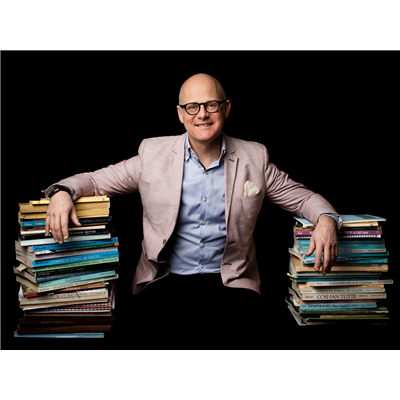
Sandy Burnett portrait photo credit: Ben Ealovega Sandy Burnett Sandy is one of the UK’s most versatile music commentators, enjoying a career that combines broadcasting, performing and lecturing. After studying at St Catharine’s College, Cambridge and working as music director for the RSC, National Theatre and in London’s West End, Sandy Burnett spent a decade as one of the core team of presenters on BBC Radio 3. Combining engaging scholarship with hands-on expertise, he devises and leads cultural holidays all over the world and was appointed the Academy of Ancient Music’s Hogwood Fellow for the 2018-19 season. He has directed a complete performing cycle of Bach’s sacred cantatas, conducts the Chiswick Chamber Orchestra and is a first-call double bass player on the London jazz scene. Since 2013 he has devised and led cultural holidays all over the world, taking music lovers to venues as diverse as the opulent Leipzig Opera House and the intimate jazz clubs of New Orleans. He runs an online classical music appreciation Listening Club, and is the author of the Idler Guide to Classical Music. We welcome him back to The Arts Society Mid-Cornwall. |
|
| Wednesday, 09 December 2026 |
| The Value of Art |
| Emma Watts |
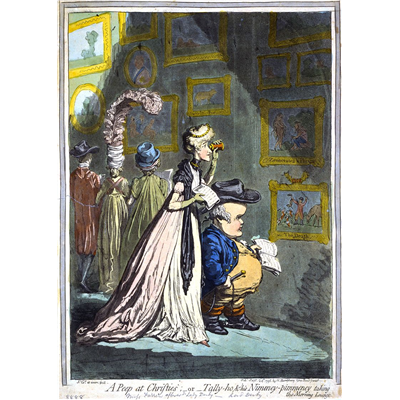 |
What gives art its value? This thought-provoking lecture explores the many ways we measure worth—culturally, socially, and financially. From timeless masterpieces to black-market deals, and from shifting tastes to global repatriation debates, discover how art is treasured, traded, and sometimes contested across centuries and continents.
Image: A Peep at Christies 1799 By James Gillray (detail) © Library of Congress Emma Watts Dr Emma Watts is an Art Historian with a specialist interest in the economics of art, British art and material culture. Her career began in the fine art auction world and she has since had a successful academic career in the UK, Australia and Hong Kong. Emma is passionate about access to the fine arts and its education. She has developed curricula and been active in policy, planning, education and advisory boards for Heritage, Museums and the Arts. She is currently enjoying the diversity of consultancy, with Watson Strand specialists fine art valuers, lecturing with the Arts Society and writing. |
|
| Wednesday, 13 January 2027 |
| Why can't We Read Them? Conservation of the National Trust Libraries |
| Caroline Bendix |
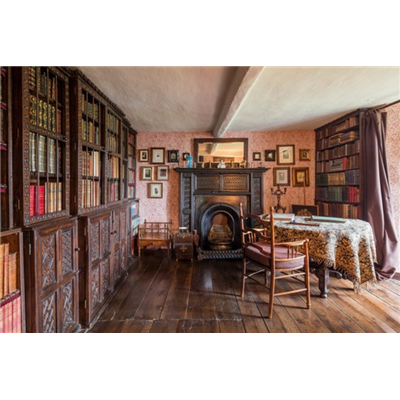 |
The National Trust's collection of some 450,000 books in 205 locations is cared for by property staff, volunteers and freelance conservators. They work together to maintain the libraries in good condition. Managing the environment, tracking down pests, creating conservation techniques that are discreet, and stabilising the collections for use are the main elements. Conservation evolves as the books' use evolves, e.g. the catalogue is now available on-line and more researchers require access. The increased wish to use the books for visitor engagement projects to inspire a new generation of readers provides further challenges. Illustration: National Trust: The Library at Townend, Windermere, Cumbria |
|